5 Common Indoor Plant Problems (and How to Fix Them Without Repotting)
Every indoor plant parent knows the feeling. You buy a beautiful, perky new plant, find the perfect sunny spot for it, and watch it thrive for months. But as the seasons change and light conditions shift, that picture-perfect plant can start looking a little worse for wear.
Maybe it’s suddenly tilting dramatically to one side, looking sparse and "leggy," or taking up your entire kitchen counter.
When these common indoor plant problems arise, our immediate instinct is often to panic. We assume we’ve failed at indoor plant care, or we think we need to undertake a messy, stressful repotting session, prune our favourite vines down to stubs, or throw in the towel altogether.
But here is a secret that seasoned plant stylists know: most indoor plant problems aren’t actually caused by poor care, lack of a green thumb, or small pots. Very often, your plants don't need a bigger home, they just need better structure.
By reframing how we look at our plants' growth habits, we can solve some of the most frustrating aesthetic and structural issues simply by providing proper plant support. Here are five common indoor plant problems and exactly how to fix them without touching a bag of potting mix.
Problem 1: Your Plant is Leaning, Drooping, or Collapsing
The Cause
As climbing and trailing plants (like Monsteras, Philodendrons, and Pothos) grow, they naturally seek out vertical structures to cling to in the wild. In our homes, without a tree trunk to climb, they eventually become top-heavy. As they outgrow their nursery stakes or find themselves with no support at all, the sheer weight of their lush foliage causes them to lean dramatically or collapse entirely under their own weight.
The Fix
Instead of shocking the plant by repotting it into a larger vessel to "deepen" the base, you can stabilise the plant exactly where it is.
-
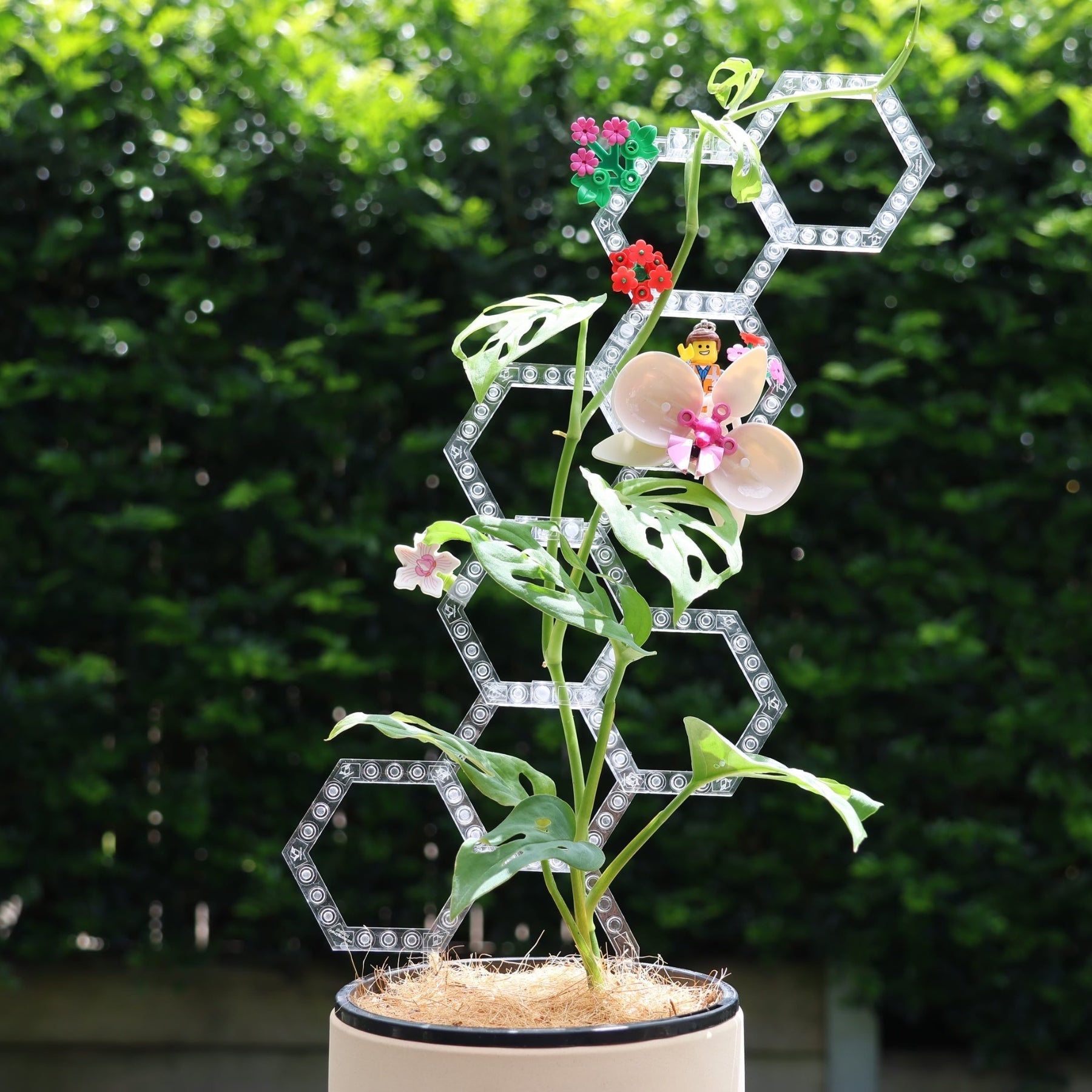
Introduce vertical structure: Insert a sturdy, vertical plant support system close to the main stem of the plant.
-
Anchor and guide: Gently secure the heaviest stems to the support, guiding the growth upward rather than outward.
-
Promote larger leaves: Giving climbing plants a vertical element mimics their natural environment, which actually signals the plant to grow larger, healthier leaves over time.
Problem 2: Leggy, Sparse, or Messy Growth
The Cause
"Leggy" growth happens when a plant stretches out, creating long spaces of bare vine between leaves. This is almost always caused by a plant reaching desperately toward the nearest light source as light conditions shift throughout the year. The result is a messy, unkempt vine that looks sparse instead of full and vibrant.
The Fix
You don’t have to cut away months of growth to fix a leggy vine. Instead, you can train and reposition the existing growth to create an instant illusion of fullness while correcting its future path.
-
Weave and layer: Use modular plant supports to guide and train the direction of the leggy stems early on.
-
Maximise light exposure: By securing the vines across a structured system, you can orient the leaves toward the light source more effectively, stopping the dramatic stretching.
-
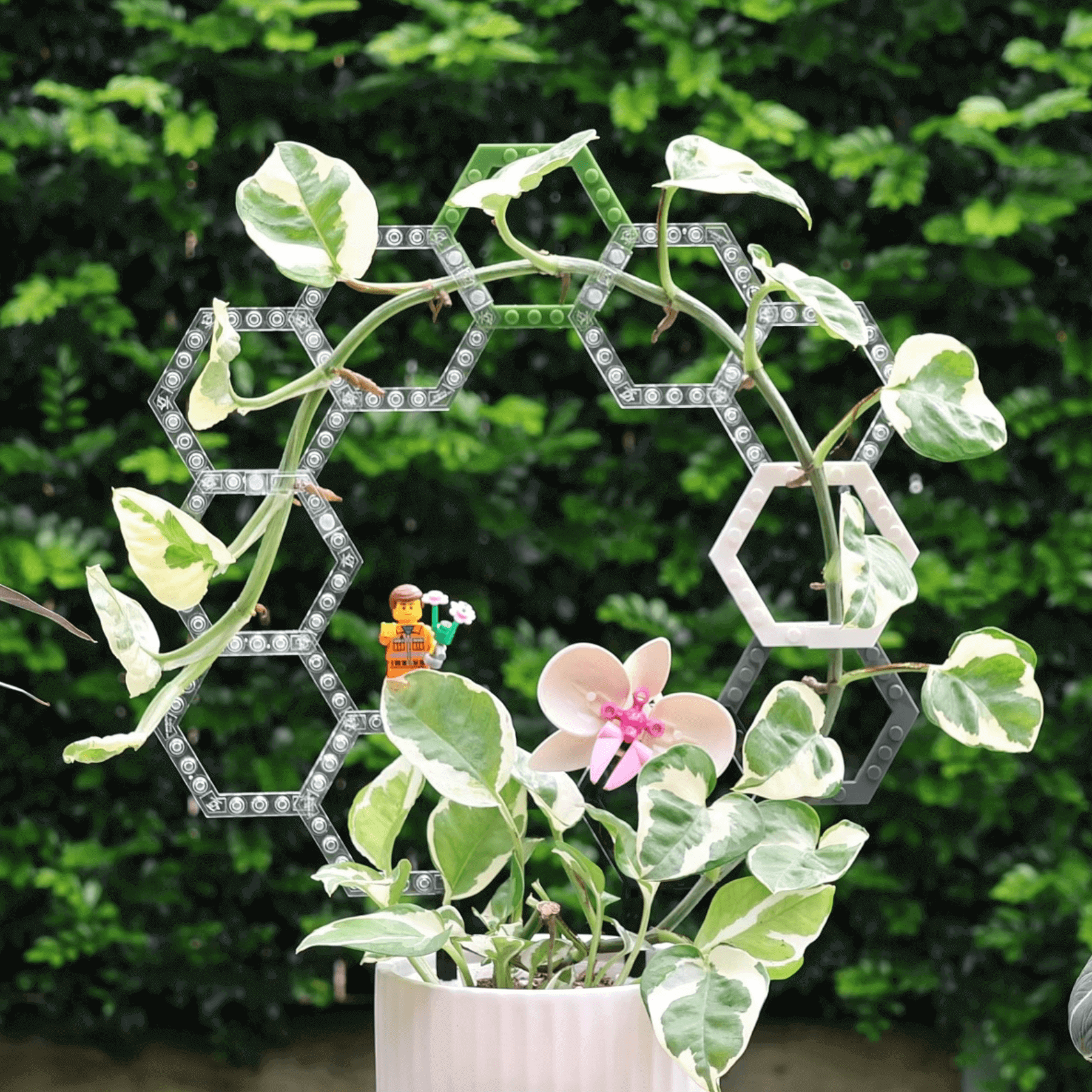
Create density: Loop trailing vines back up and around a support framework to fill in bare spots and give the plant a lush, compact appearance.
Problem 3: Your Plants Are Running Out of Space
The Cause
Horizontal real estate is a premium in any home. Many indoor plants naturally grow wide, bushy, or trail lazily across surfaces. Left to their own devices, a couple of enthusiastic Monstera or Pothos plants can quickly take over your shelves, tables, and floor space, making your home feel cluttered and chaotic.
The Fix
When horizontal space runs out, the only way to go is up! You can drastically reduce your plant’s footprint by changing its trajectory.
-
Grow vertically: Elevate your plant's vines off the furniture and train them to climb upward using extendable support systems.
-
Reclaim your surfaces: Lifting heavy, spreading branches vertically pulls the plant inward, instantly freeing up valuable table and floor space.
-
Build a living wall: Use a modular trellis framework that mounts or stands tall, transforming a sprawling, messy plant into a stunning vertical feature.
Problem 4: The Constant, Frustrating Pruning Cycle
The Cause
Do you find yourself constantly chopping back your favourite plants because they’ve outgrown their cheap bamboo stakes or traditional moss poles? Many plant owners fall into a frustrating cycle of pruning away healthy growth simply because they don’t have a long-term structural solution that adapts to the plant’s success.
The Fix
Instead of punishing your plant for doing exactly what it's supposed to do, grow! future-proof your plant care routine.
-
Invest in expandable support: Switch to a modular trellis or support system that grows alongside your plant.
-
Add height seamlessly: Look for systems where you can stack or snap on new extensions without disturbing the established roots or untangling existing vines.
-
Celebrate new growth: Rest easy knowing that when a new leaf or vine shoots up, you can simply add another layer of support in seconds, keeping your plant stable for years to come.
Problem 5: The Plant Just Looks Unstyled and Wild
The Cause
Sometimes, a plant is perfectly healthy, but it just looks... messy. Without intentional shaping, vines tangle around themselves, leaves hide from view, and the plant lacks that curated, "interior design" aesthetic you see on social media. Traditional garden centre options are often flimsy, ugly, or look like industrial hardware, which doesn't help your decor.
The Fix
A structured, intentional layout can instantly elevate a wild plant into a gorgeous statement piece.
-
Aesthetic styling: Use clean, structured supports that double as design elements in your home.
-
Showcase the foliage: Arrange the stems intentionally across the support framework so every leaf gets its moment in the spotlight.
-
Tailor the shape: Whether you want a neat column of green, a wide fan, or a geometric architectural look, use customisable trellises to sculpt your plant into a piece of living art.
Conclusion: Support is the Missing Piece

When indoor plant care feels overwhelming, remember that you don’t always need to change the soil, buy bigger pots, or reach for the pruning shears. More often than not, a leaning, leggy, or messy plant is simply crying out for a bit of structure. Giving your plants the right physical foundation changes everything.
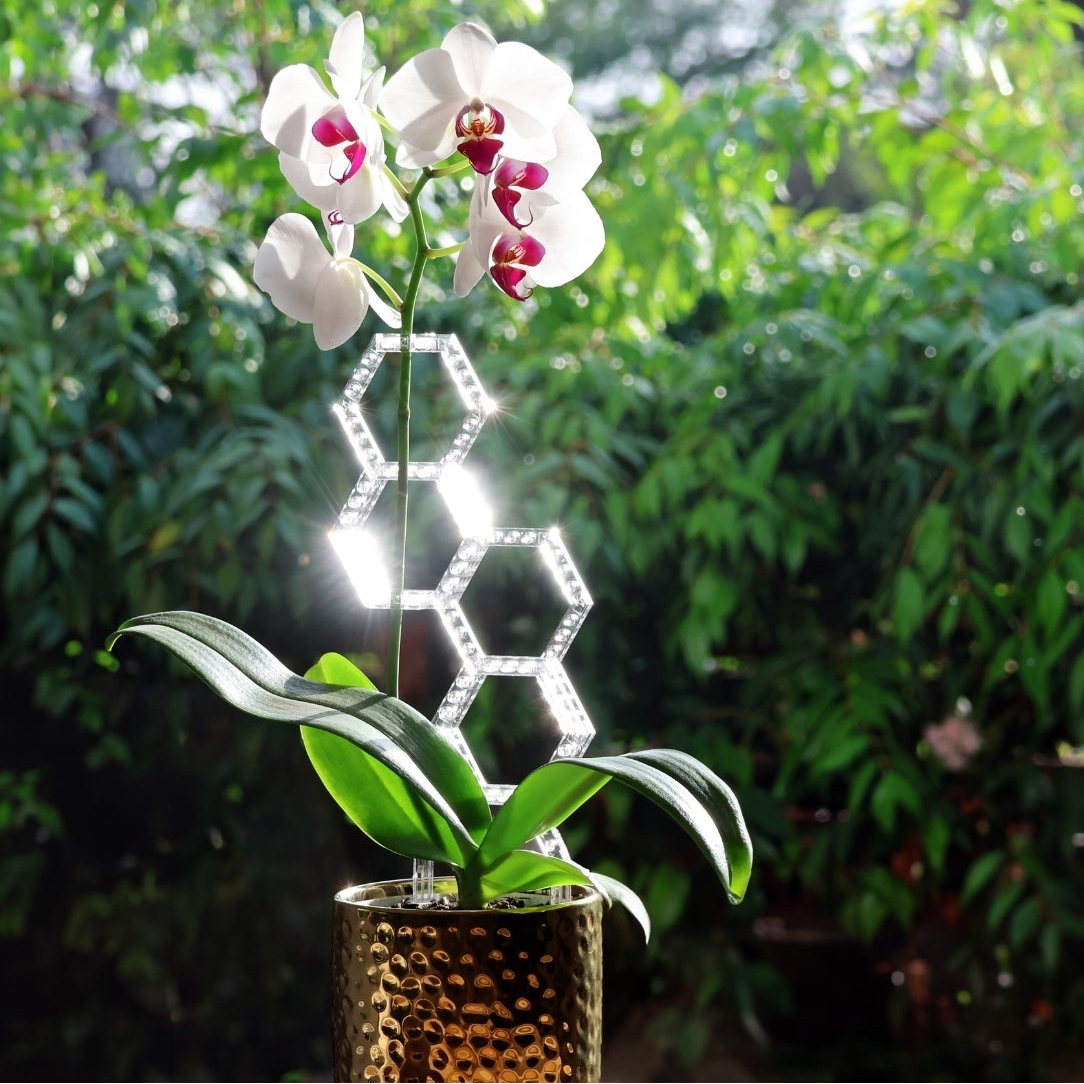
If you are ready to stop fighting with flimsy stakes and messy potting mix, it’s time to discover a better way. Vertigrow offers a LEGO-compatible, expandable, modular trellis system designed to grow with your plants. With Vertigrow, you can support and shape your climbing plants beautifully and seamlessly-completely without tools, hardware, or the frustration of fixed-size supports.
Give your indoor plants the structure they deserve, and watch them transform your space vertically!
Quick Fix Checklist
Keep this handy guide nearby next time your indoor garden needs a makeover:
|
Plant Problem |
Hidden Cause |
The Support Fix |
|
Leaning or collapsing |
Outgrowing current support or top-heavy weight |
Add sturdy vertical structure; anchor the main stems securely. |
|
Leggy or sparse vines |
Stretching toward shifting light sources |
Train and loop vines early onto supports to build fullness and capture light. |
|
Running out of space |
Sprawling horizontal growth taking over surfaces |
Direct growth upward with extendable supports to save floor and table space. |
|
Constant pruning cycle |
Plant outgrowing fixed-size, traditional stakes |
Switch to an expandable, modular system that scales up as the plant grows. |
|
Unstyled, chaotic look |
Lack of intentional guidance and shaping |
Use beautiful, structured supports to curate and highlight the plant's shape. |
Looking for the perfect modular system for your climbing collection? Explore Vertigrow's Expandable Plant Support Systems today or check out our blog on Why Plant Supports Matters.

Written by Sethzaire Barrera